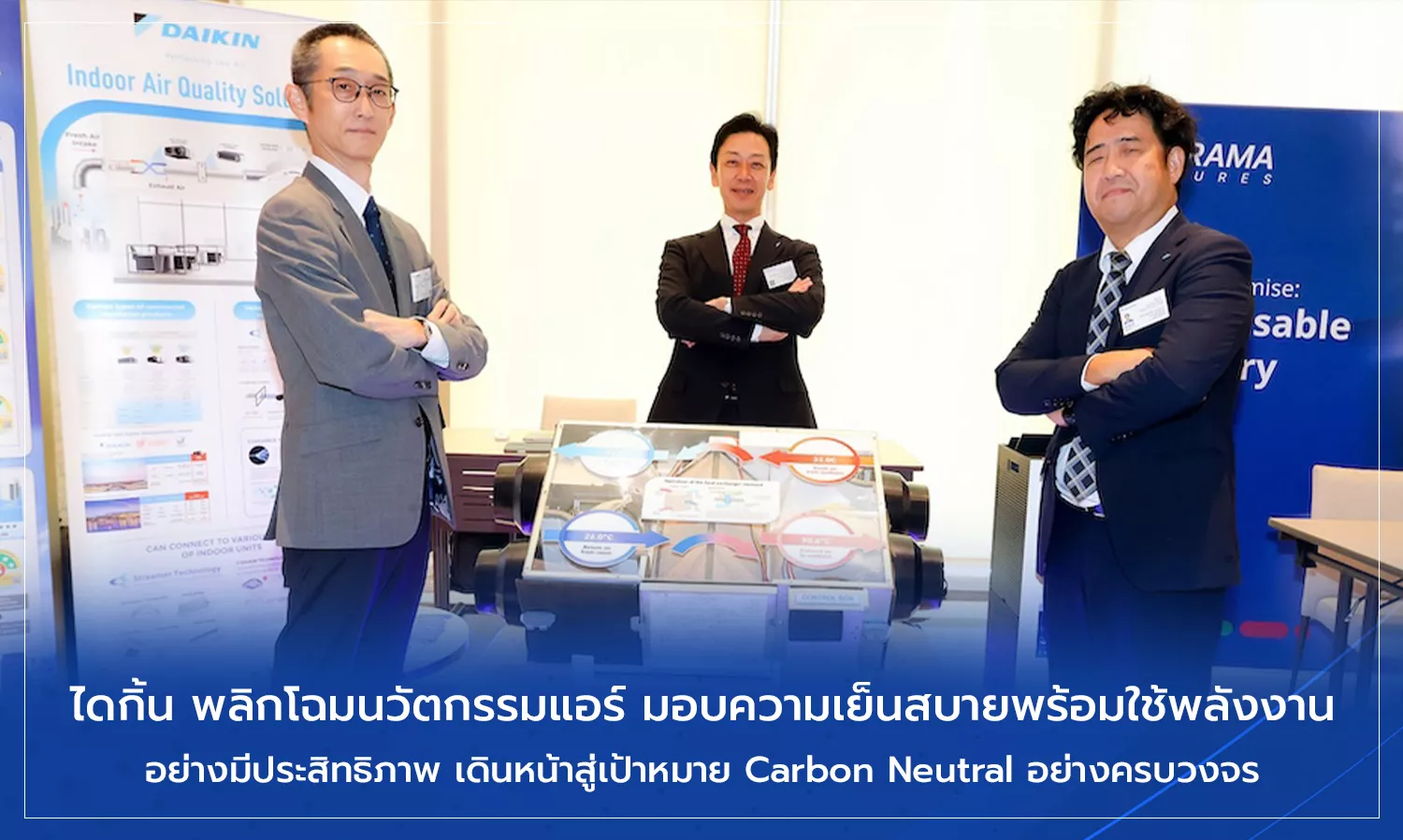
Daikin Transforms Air Conditioning Innovation, Providing Comfort While Efficiently Using Energy, Advancing Towards Comprehensive Carbon Neutral Goals
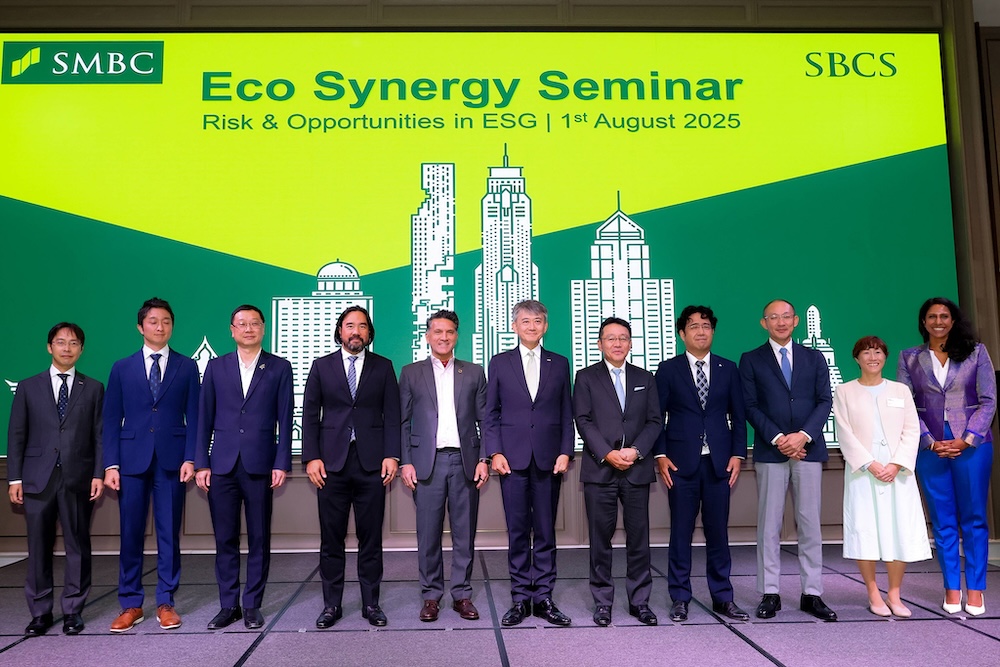
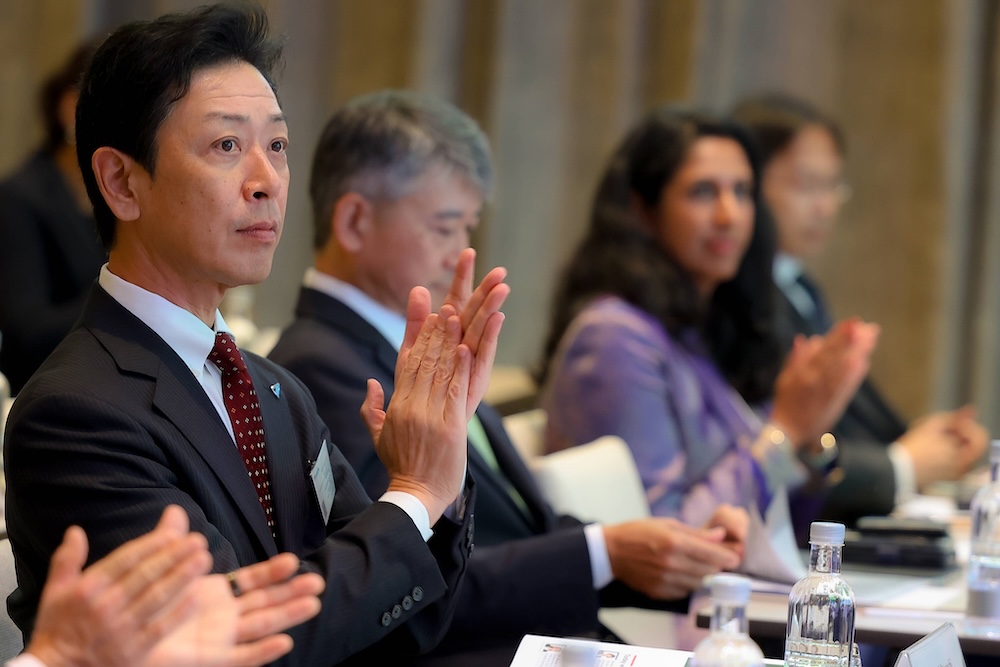
Daikin Industries (Thailand) Co., Ltd. reaffirms its position as a global leader in air conditioning innovation, advancing the standard of true comfort alongside energy savings by launching the concept of “Energy-Efficient Comfort” at the Eco Synergy Seminar 2025, themed “Risks and Opportunities in ESG,” organized by Sumitomo Mitsui Banking Corporation (SMBC) in Bangkok. This event gathered experts from leading public and private organizations to delve into the opportunities and risks for businesses in the context of ESG and environmental law changes, while showcasing sustainable technology from both Japanese and Thai companies, along with intensive Business Matching and Networking activities.
During the event, Daikin unveiled its smart air conditioning technology that can accurately control both temperature and humidity, helping to reduce energy consumption without compromising comfort. The company also presented its comprehensive recycling project (Horizontal Recycling), which focuses on reusing refrigerants and components from old air conditioners to support the goal of creating a circular economy and sustainable development in Thailand.
Mr. Kasuhisa Hinasu, Director of Daikin Industries (Thailand) Co., Ltd., stated, “As Daikin's main factory in the ASEAN region, we are committed to meeting Thailand's needs with innovations that combine energy efficiency and quality of life, especially in the hot and humid climate of ASEAN, where users often set their air conditioning to excessively low temperatures to compensate for external humidity, resulting in unnecessary energy consumption and high electricity bills.”
To address this issue, Daikin has developed the Energy-Saving Ventilation System, which can reduce air humidity before it enters the building, along with a heat exchange system with indoor air, allowing users to set the temperature higher at 26–27°C while still feeling comfortable. This system can reduce electricity consumption by more than 35% compared to traditional systems, and when used in conjunction with inverter air conditioners and Heat Recovery systems, electricity usage can be reduced by up to 60%.
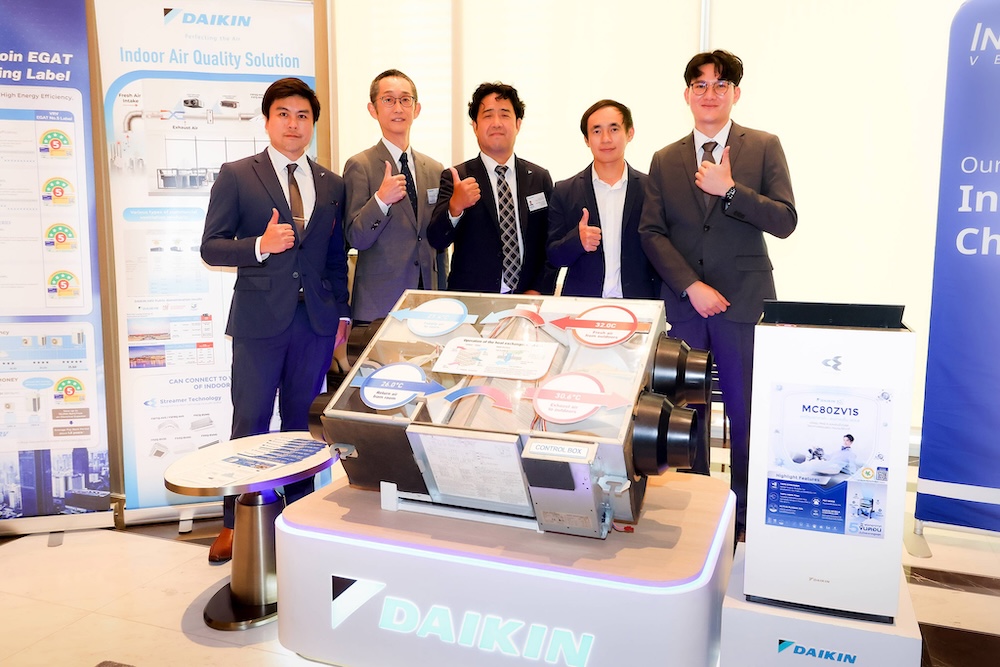
Mr. Kasuhisa further shared that to confirm the system's effectiveness, Daikin conducted a real installation trial at a 200-square-meter R&D office building. The results showed that energy consumption could be reduced by up to 38%, equivalent to an annual electricity cost saving of approximately 47,600 baht. At the same time, user satisfaction increased from 61% to 86%, reflecting that comfort does not have to come at the expense of excessive energy use.
Additionally, Mr. Kasuhisa addressed environmental challenges, particularly regarding “refrigerants,” noting that Thailand currently lacks regulations or laws to control them, resulting in the release of over 2,000 tons of refrigerants into the atmosphere annually. Therefore, Daikin has collaborated with Iwatani and Toyota Tsusho Thailand to seriously develop a refrigerant recovery and recycling system, initiating a trial of the “Horizontal Recycling” system that reintroduces components from old air conditioners back into production lines to create tangible resource circulation.
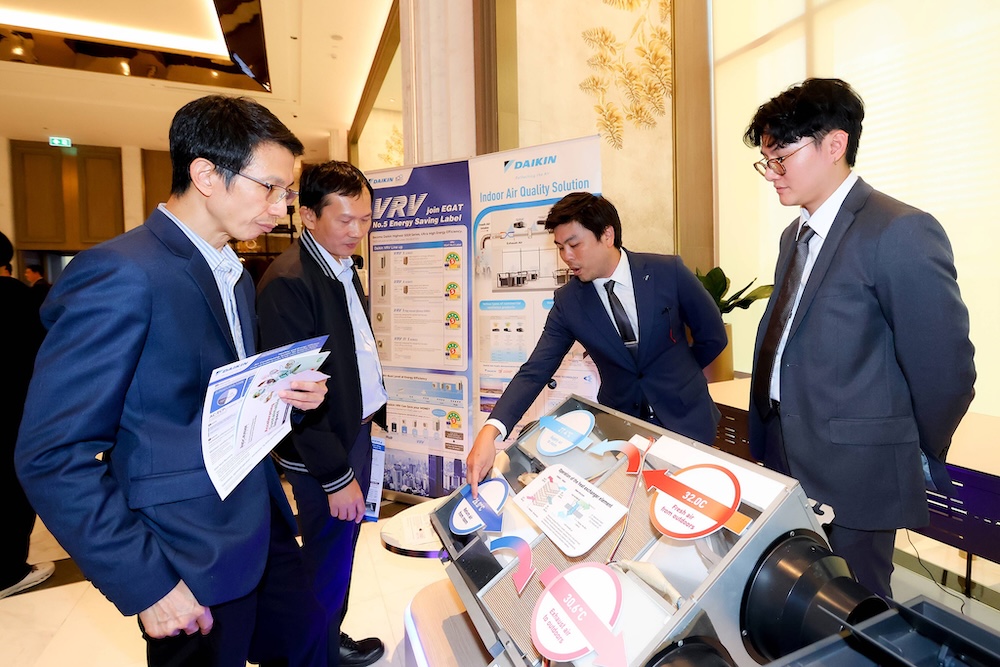
“Creating a Circular Economy is at the heart of sustainability. Therefore, we not only develop air conditioning technology that is comfortable and energy-efficient but also lay the foundation for comprehensive recycling to ensure that industry growth does not negatively impact the environment and supports the Carbon Neutral goal in a tangible way,” Mr. Kasuhisa concluded.
Daikin Industries (Thailand) Co., Ltd. and Siam Daikin Sales Co., Ltd. are ready to provide consultation and services for the installation or upgrade of modern air conditioning systems that are truly comfortable and energy-efficient, enhancing quality of life and supporting efficient energy use across all sectors.